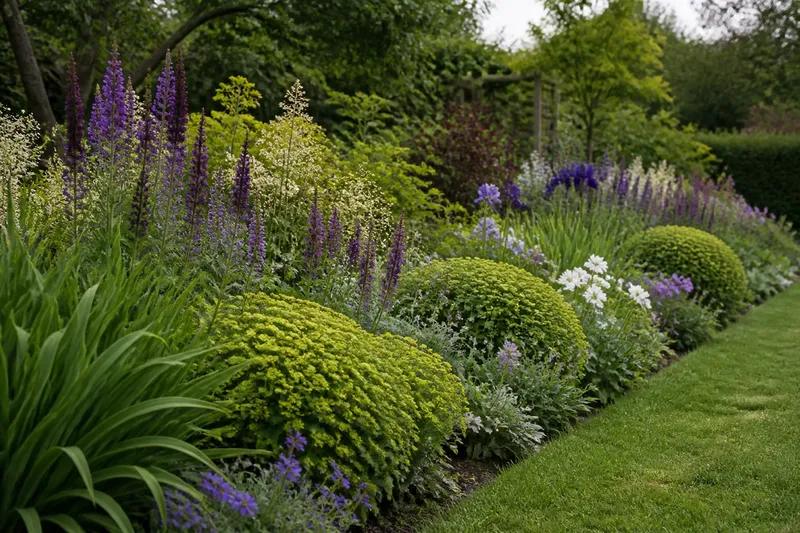
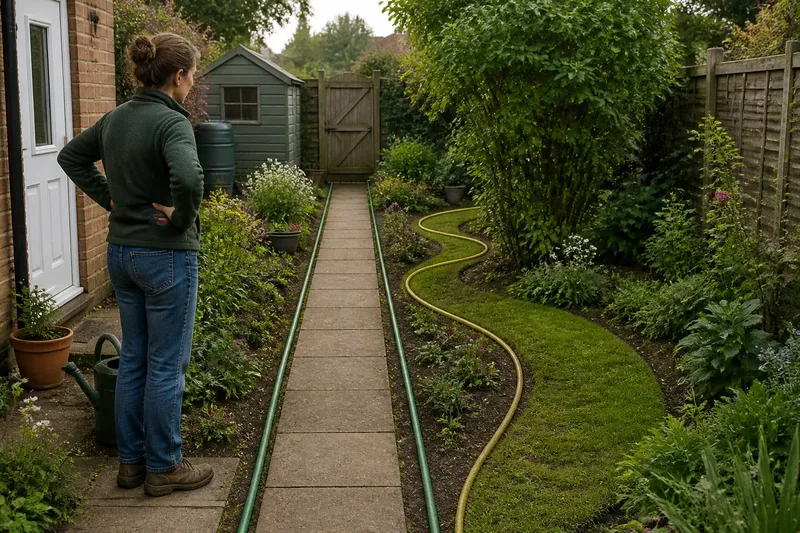
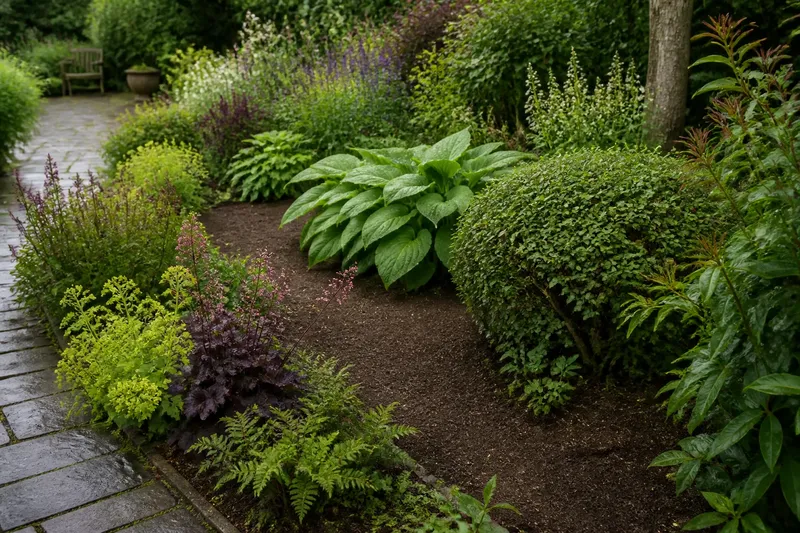
From Clipped Borders to Naturalistic Planting Through the Seasons
From clipped borders to naturalistic planting, learn to read seasonal change at your garden’s edges and choose where to keep a crisp line or allow movement.
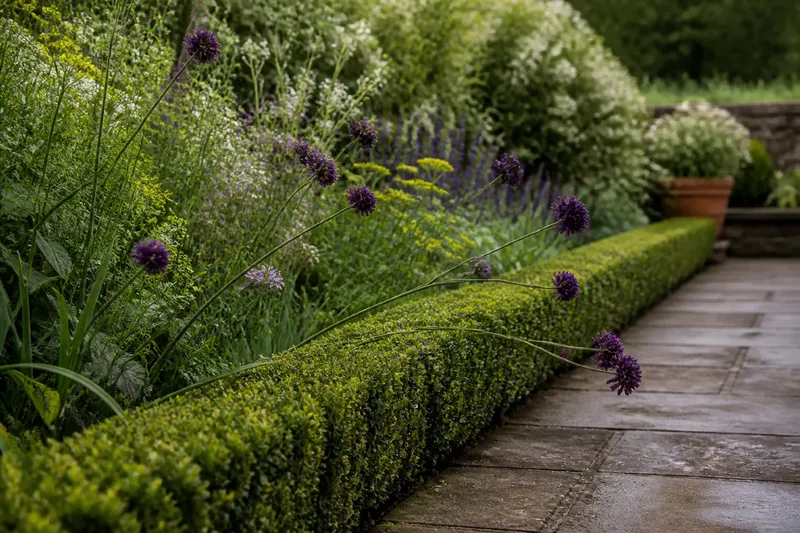
From clipped borders to naturalistic planting, a garden’s edge changes its character as stems emerge, flower, lean and fade. Follow the same border through the seasons and you can decide where a crisp line helps and where a looser transition suits the plants and the way you use the space.
Read an informal edge before changing it
Choose one bed beside a path, lawn or terrace. Look from the route people actually use, then from inside the bed: note what holds the boundary, such as a cut lawn edge, a hedge, paving, a wall or a group of plants with similar height.
Visit the same spot at different times of day and in different seasons. A low border may look open in early growth, obscure a path when flowering stems rise, then reveal its structure again as foliage fades. Record those changes in a notebook or take a photograph from a consistent position.
Clipped borders and naturalistic planting are not opposing rules. A trimmed hedge can frame plants that move freely, while a soft planting edge can still have a clear route and deliberate shape.
Garden styles show different ways to make order visible
Clipped hedges, straight paths and sharply cut beds make the gardener’s shaping easy to see. Looser planting draws attention instead to overlapping foliage, changing silhouettes and the relationship between a bed and its surroundings. These are useful ways to describe design choices, not a simple historical sequence in which one style replaced another.
Gardens have always been shaped by their setting and purpose. A formal line may help organise a small courtyard or frame a view; a less rigid edge may connect a planted border to a meadow-like area or a shrub bed. Designers and gardeners combine these approaches in different ways, so treat style labels as prompts for observation rather than rules to follow.
On your first visit, mark what seems to organise the space. Leave it as it is while you observe how plants meet that structure.
Follow the edge through a full growing season
In spring, look for the boundary that remains visible while plants are short. As growth builds, check whether stems cross a hedge or spread into a path. Later, notice whether flowers and seed heads bring movement to the edge; when foliage fades, see whether the bed still reads as a deliberate shape.
Return to your chosen spot as the plants change, using the same viewing position each time. Note what happens to access, sightlines and the balance between the planted area and the space beside it. This seasonal record is more useful than judging the border from a single flowering moment.
Say you have a narrow border beside a paved terrace, with a low clipped hedge and tall flowers behind it. In spring, mark the hedge’s outline with a quick sketch; as the flowers rise, note which stems lean over the hedge and whether they obstruct the paving. Choose two overhanging stems that do not block the route, leave them in place through flowering, then check the edge again as the petals fade. If the path remains clear and the stems add movement, keep this small break in the outline; if they catch passers-by, cut those stems back and retain the hedge’s full boundary.
Use the season’s changes to make a small, reversible decision rather than copying a style from a photograph.
Match the boundary to its setting and materials
A steel strip, brick course or stone edging makes a boundary explicit. A cut trench relies on regular edging work, while low groundcover uses plant habit to soften the meeting between bed and path. Choose a material or method for the job it needs to do, not as a signal that the whole garden must be formal.
Consider what lies beyond the bed. Beside a frequently used path, keep plants from snagging clothing or narrowing the route. Against lawn, choose an edge you can maintain without clipping nearby plants. Where a border meets a less managed planting area, a gradual change in height or foliage can avoid a sudden visual stop.
- Check whether the path stays clear when flowering stems lean out; if it does, allow selected stems to remain, but if it narrows or catches clothing, cut them back or keep a firmer edge.
- Check whether lawn growth blurs the bed boundary; if the line remains clear, continue with the existing cut, but if grass spreads into the planting, recut the edge or use a suitable edging material.
- Check whether the chosen edging interrupts mowing; if the mower can follow the boundary without damaging plants, keep it, but if not, adjust the edge or use a method that is easier to maintain.
- Check whether the border meets a wall or fence with enough room for the plants’ eventual spread; if it does, retain the planting plan, but if growth crowds access, choose a more compact plant or move it where appropriate.
- Check whether a hard boundary looks abrupt beside looser planting; if the transition reads clearly, leave it, but if it feels disconnected, introduce a narrow band of suitable low plants or vary the bed edge.
- Check whether the edge still works after foliage fades; if the route and bed shape remain legible, keep the arrangement, but if they disappear, restore a clearer cut or boundary marker.
Make one seasonal change and assess its effect
Choose a limited adjustment: leave a short section of hedge untrimmed until flowering ends, remove only stems that obstruct a route, or introduce a low-growing plant where a hard edge feels abrupt. Change one feature at a time so you can tell what has altered in the view and in routine maintenance.
Before planting, check the mature growth habit on the plant label or with a knowledgeable local nursery. A vigorous spreader beside a narrow path may need frequent control; a compact plant may be easier to keep within the intended boundary. For work affecting a shared space, check the relevant local rules before altering it.
Keep your notes beside the seasonal photographs. If the change makes access awkward or the bed difficult to maintain, restore a clearer line; if it keeps the route usable and gives the planting a more gradual edge, consider applying the same approach to another small section.
What should you know before softening a border?
Does naturalistic planting mean leaving everything untrimmed?
No. It can include selective cutting, maintained paths and defined bed shapes. The choice is whether to let some variation and seasonal movement remain visible.
Can a clipped hedge sit beside loose planting?
Yes. The hedge can provide a steady frame while the plants behind it change in height and texture. Check that growth does not obstruct a path or make the hedge difficult to maintain.
When is a soft edge unsuitable beside a path?
It may be unsuitable if stems narrow the route, catch clothing or make the path hard to see. Keep the edge firmer there, or allow only plants that remain clear of the walking space.
How can you tell whether a loose edge works?
Observe it from the places where people walk and sit, then check it again as plants grow and fade. If the route remains usable and the border still feels connected to its surroundings, the softer transition may suit the site.
Let seasonal change guide the balance
A crisp boundary can make loose planting read as intentional; a softer edge can connect a bed to nearby shrubs, grasses or less managed ground. Neither approach needs to dominate the whole garden, and the balance can shift as plants mature or the space is used differently.
From clipped borders to naturalistic planting, the useful question is where your garden needs definition and where it can accommodate movement. Revisit the edge as foliage changes, and let the route, maintenance and seasonal shape determine whether to keep the line or soften it.